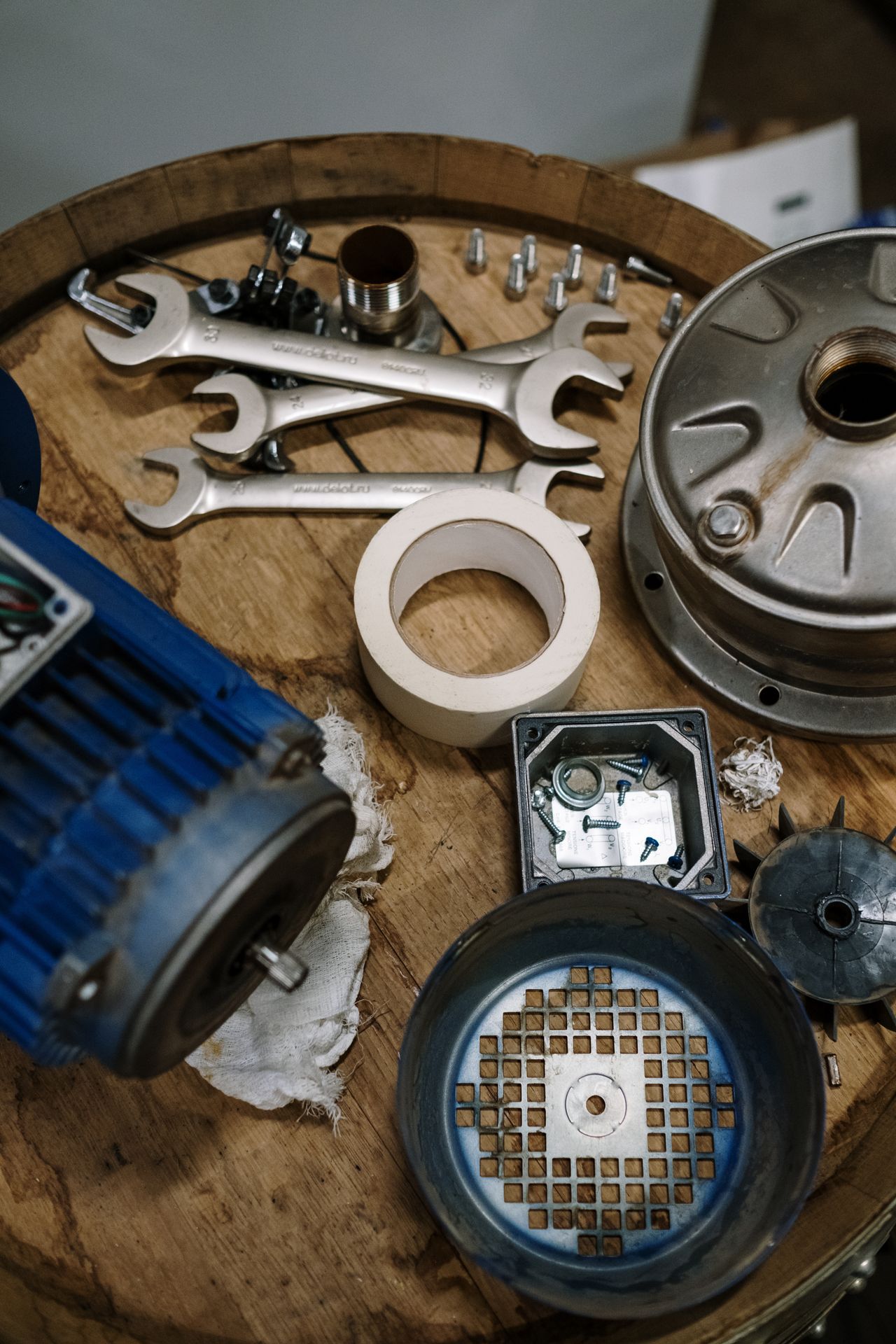
A conveyor motor replacement quote needs more than the old motor’s power rating. The drive, gearbox, belt load, control method and mounting arrangement all affect whether a replacement will fit and run reliably. Before ordering parts, document the actual fault and the surrounding equipment.
What should you check before replacing a conveyor motor?
First separate a failed motor from a problem elsewhere in the drive. An overloaded conveyor, seized bearing, damaged gearbox, loose coupling or electrical fault can make a healthy motor trip. Isolate the equipment safely and have a qualified person inspect it before selecting a replacement. Record when the fault occurs: at startup, under load, after warming up or only during a particular shift.
- Motor nameplate: photograph the voltage, frequency, rated power, current, speed, efficiency and enclosure details that are actually legible.
- Gearbox and output: capture the model plate, ratio, output shaft direction and coupling or sprocket arrangement.
- Mounting: measure the base, bolt centres, shaft diameter and available clearance; photograph all sides.
- Conveyor duty: share belt or roller width, length, typical product weight, accumulation pattern and required speed.
- Controls: identify direct-on-line or inverter operation, sensors, start/stop sequence and any PLC interlocks.
When is a like-for-like motor swap not enough?
If the line has changed since installation, the old specification may no longer suit the duty. Heavier cartons, longer operating hours, frequent starts or a new incline can change the torque and thermal requirements. A different gearbox or pulley can also alter belt speed even when motor power is unchanged. Confirm the target conveyor speed and product flow before approving a new drive.
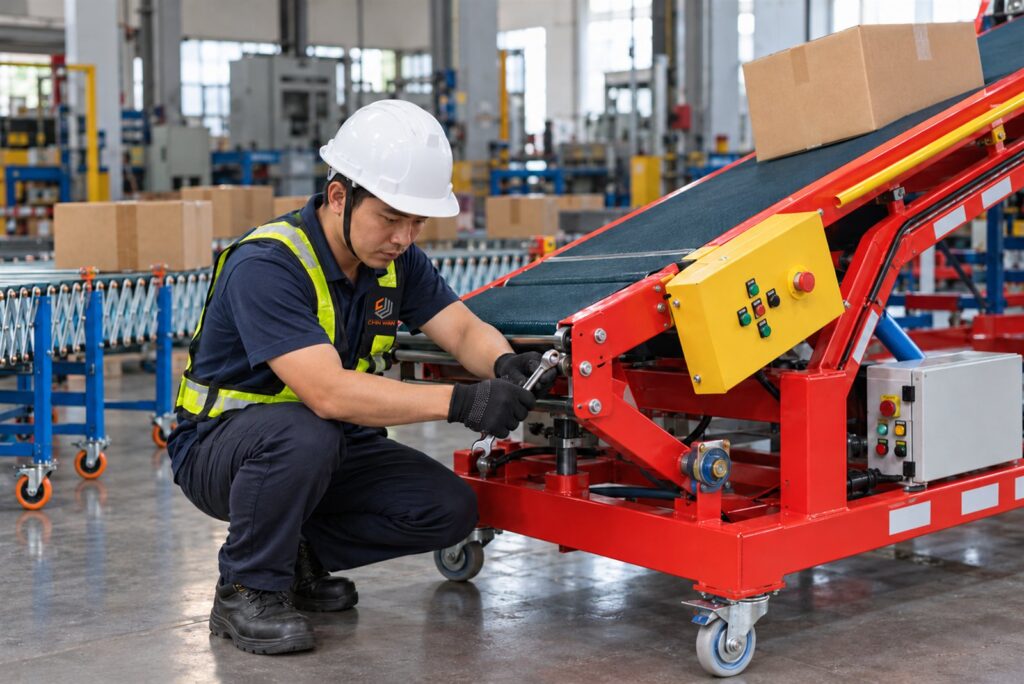
Chin Wan Engineering provides motor replacement service and can review related PLC and electrical integration where the conveyor drive is part of a controlled line. The exact replacement, compatibility and work scope require an assessment of the equipment; this article is not a universal motor-sizing specification.
What information should you send with an enquiry?
Send the machine location, a short video of the conveyor running if it is safe to record, photographs of the complete drive and nameplates, fault history, existing drawings, available supply voltage, and any deadline or production constraint. Say whether the motor must match an existing inverter or gearbox. These details help distinguish replacement, repair and wider conveyor troubleshooting.
For a broader line review, see our belt conveyor maintenance checklist. To request an assessment, contact Chin Wan Engineering with your drive details.
 Belt Conveyor Maintenance Checklist
 Conveyor PLC Controls Checklist
 Incline Belt Conveyor Selection