Planning a shrink-pack machine line starts with the product, the film and the flow into and out of the machine. The right setup depends on pack dimensions, presentation requirements and the pace of the surrounding line. A sample product and a simple layout sketch are more useful than a machine name alone.
What should you confirm before selecting a shrink-pack machine?
Start with the largest, smallest and most difficult packs you expect to run. Record product length, width, height and weight, plus the orientation in which each pack must enter the sealing area. Bring physical samples if possible. A stable rectangular carton behaves differently from an irregular or heat-sensitive product.
- Pack range: product dimensions, shape, weight and any fragile edges.
- Film: current or proposed film type, roll width and the finish required.
- Output: target packs per hour and the actual rate of the upstream machine.
- Quality: seal position, appearance, ventilation holes if needed and acceptance criteria.
- Site: floor space, power availability, operator access and safe maintenance clearance.
How does conveyor flow affect the result?
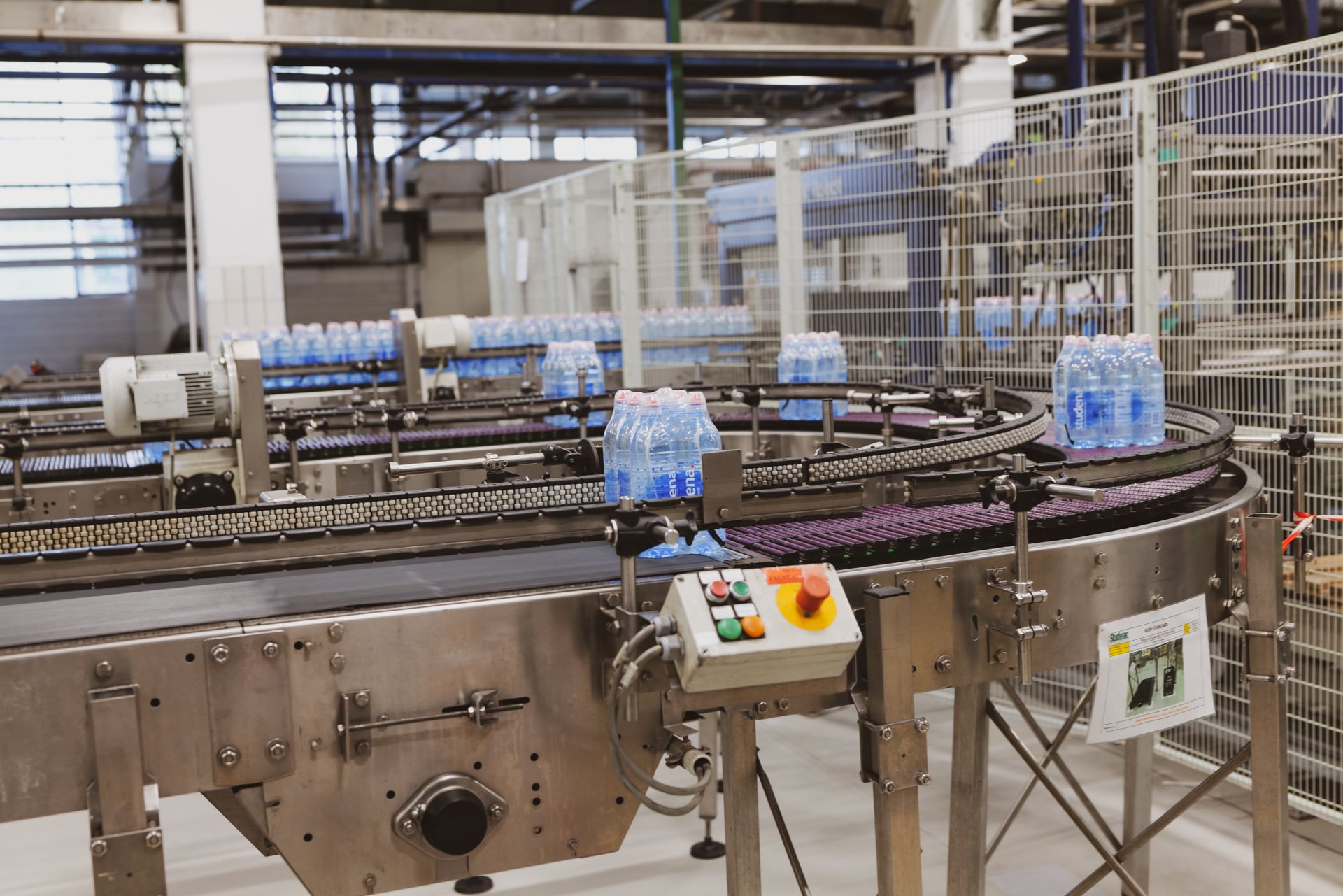
The infeed must present each product consistently. At the discharge, finished packs need enough support and space for cooling, inspection and collection. Check conveyor height, product spacing, transfer gaps and whether the next process is manual packing, carton sealing or palletizing. If an existing line supplies the product, record its speed and stop/start signals before discussing integration.
Chin Wan Engineering lists shrink pack machine solutions and belt conveyor systems that can be reviewed together for the actual product and layout. The specific machine, film and conveyor configuration should be confirmed through trials and a project quotation; this guide does not promise a universal line speed or shrink result.
What should you send for a useful quotation?
Send clear product photos, a sample pack, dimensions and weight, expected output, the film you use today, a photo or sketch of the available floor area, and the height and direction of any upstream or downstream conveyor. Note whether operators will load the machine by hand or an existing machine will feed it. Share any product temperature sensitivity or packaging quality requirement early.
For broader end-of-line decisions, read the packing machine and carton sealing guide. To discuss a specific line, send Chin Wan Engineering your product and layout details.
 Packing Machines and Carton Sealing
 Carton Conveyor Transfer Points
 Conveyor PLC Controls Checklist